
Rocklands
- LET
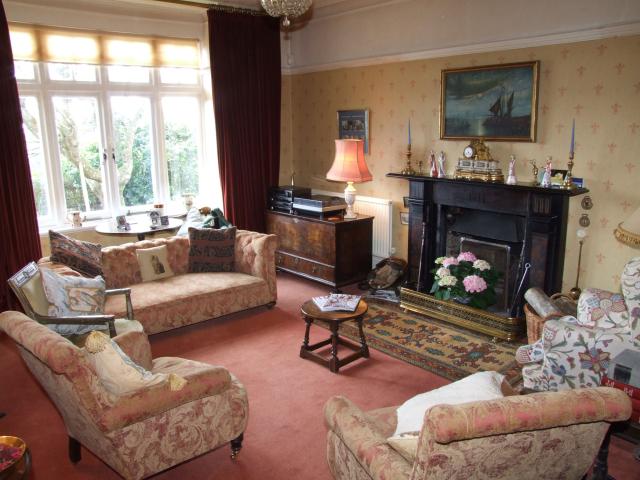
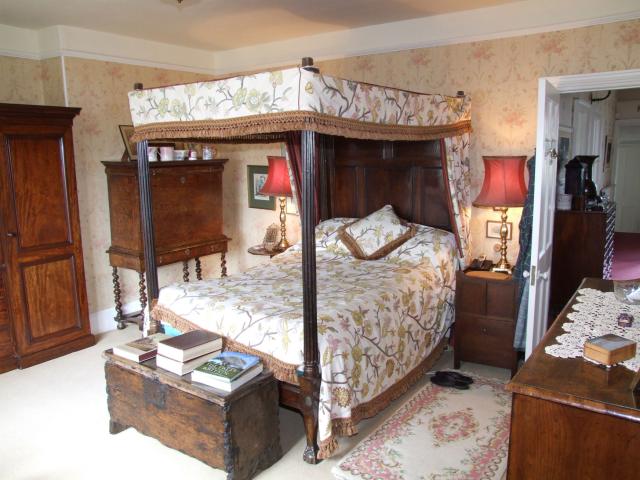
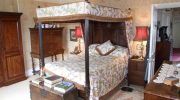
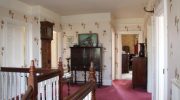
- 5 bedrooms
- 3 bath/shower rooms
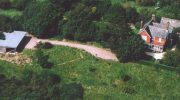
- Annex
- Barns and stables
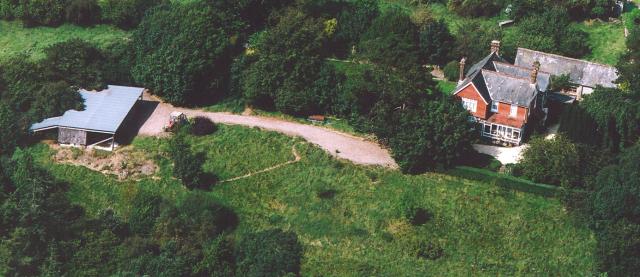
- Paddocks, stream, pond and mature gardens
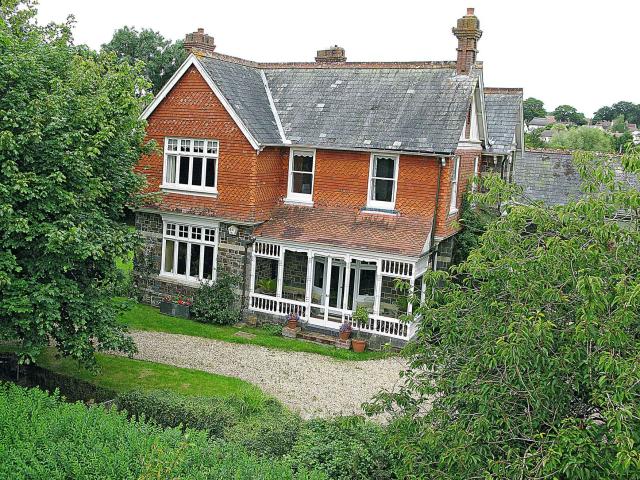
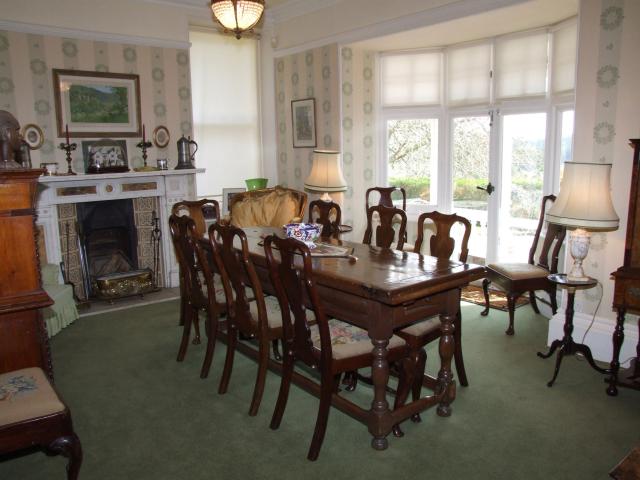
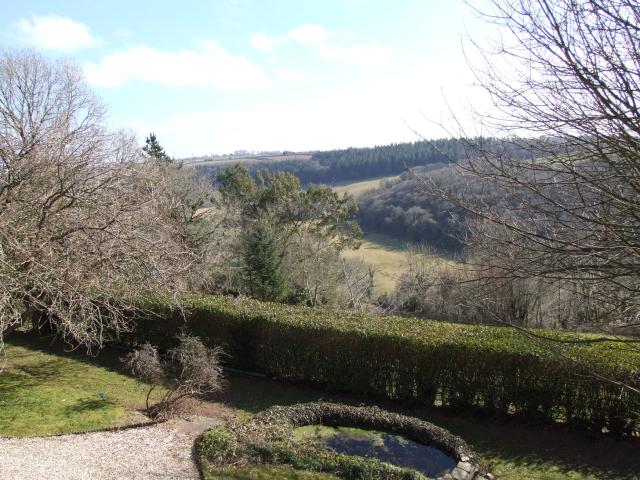
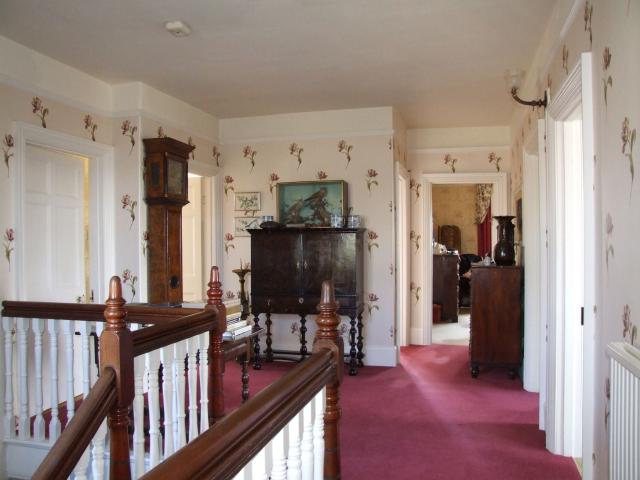
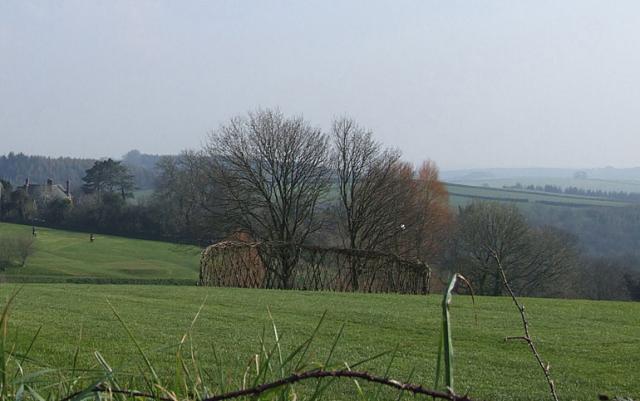
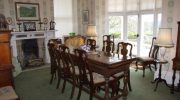
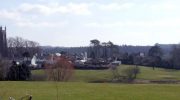
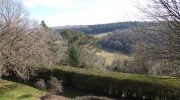
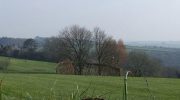
An elegant, private, edge of town 5 bedroom house with stunning views over adjoining open countryside and an 18 hole golf course available from 10 October 2011
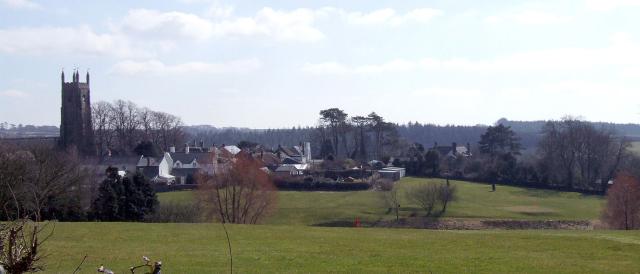
LOCATION In 815 AD Ceolmund, a young Saxon Theign, was charged by King Egbert of Wessex to settle in the land of the Dumnonii with a royal bride. Taking the old Roman roads on the banks of the river Taw he travelled North and found a large open area on top of a hill. The views for miles around were staggering and the hunting of deer and wild boar in the forests of nearby Eggesford was good. He settled here, naming it Ceolmund’s Leah (Leah meaning a clearing in the forest), now known as Chulmleigh. King Henry III granted a Royal Charter to the Town in 1253.
Due to its unspoilt landscape, this area has been designated as an Area of Rural Tranquillity and an Area of Great Landscape Value which has allowed Chulmleigh to thrive, becoming an historic market town in the heart of Devon. Local amenities include grocers, a butcher, baker, post office, Lloyds bank, three pubs, two restaurants, a hotel, hairdresser, accountants, hardware shop, primary school, community college, dentist, and a health centre.
Chulmleigh is also perfectly placed to offer access to a range of outdoor activities such as the Bold Try Riding Stables, the Devon School of Fly Fishing, and the 18 hole Chulmleigh Golf Course, which adjoins Rocklands. As well as being within easy reach of Exmoor and Dartmoor National Parks, the North Devon coast is only approximately 30 miles away.
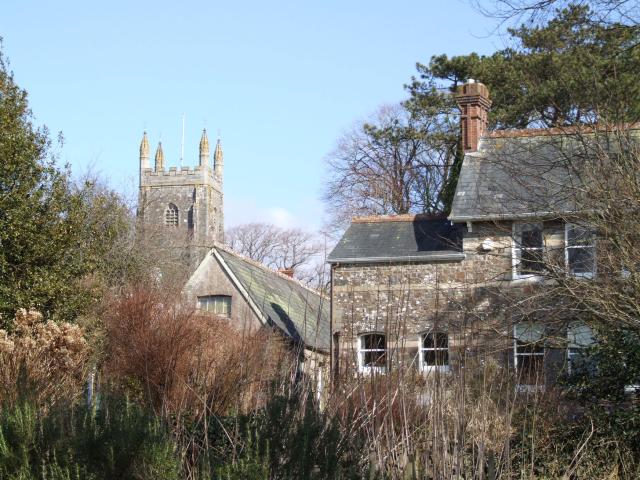
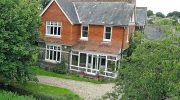
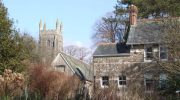
DESCRIPTION Rocklands is in a discreet well hidden site on the edge of the village providing uninterrupted 270° views over the Little Dart valley. It was built in 1892 by the agent of the Earl of Portsmouth and reportedly named due to the stone used from the old quarry in the valley. The single storey annex is a later addition, reportedly built in 1930 by a doctor who lived in the property from 1924-1972. The stone walls have a cavity with a dry lining and are hung with terracotta tiles to the South and East under a natural slate roof. One could understandably mistake the house for the rectory for the parish Church of St Mary Magdalene only 100 yards up the street.